TESARX / TESAMORELIN AND SERMORELIN
Tesamorelin vs Sermorelin: What Human Studies Show
Both drugs copy a body message. One uses the whole message, lasts longer, and has larger human studies behind it.
What is the main difference?
Studies measured how long each drug could be found in blood and how people responded. Both drugs copy an order sent to your growth gland. Sermorelin uses the first 29 amino acids, which are small protein parts. Tesamorelin uses the full 44-amino-acid chain plus a guard against quick breakdown. Tesamorelin also reached Phase 3, the large final test before approval. These facts may shape your questions, but they do not favor either drug.
How are tesamorelin and sermorelin built?
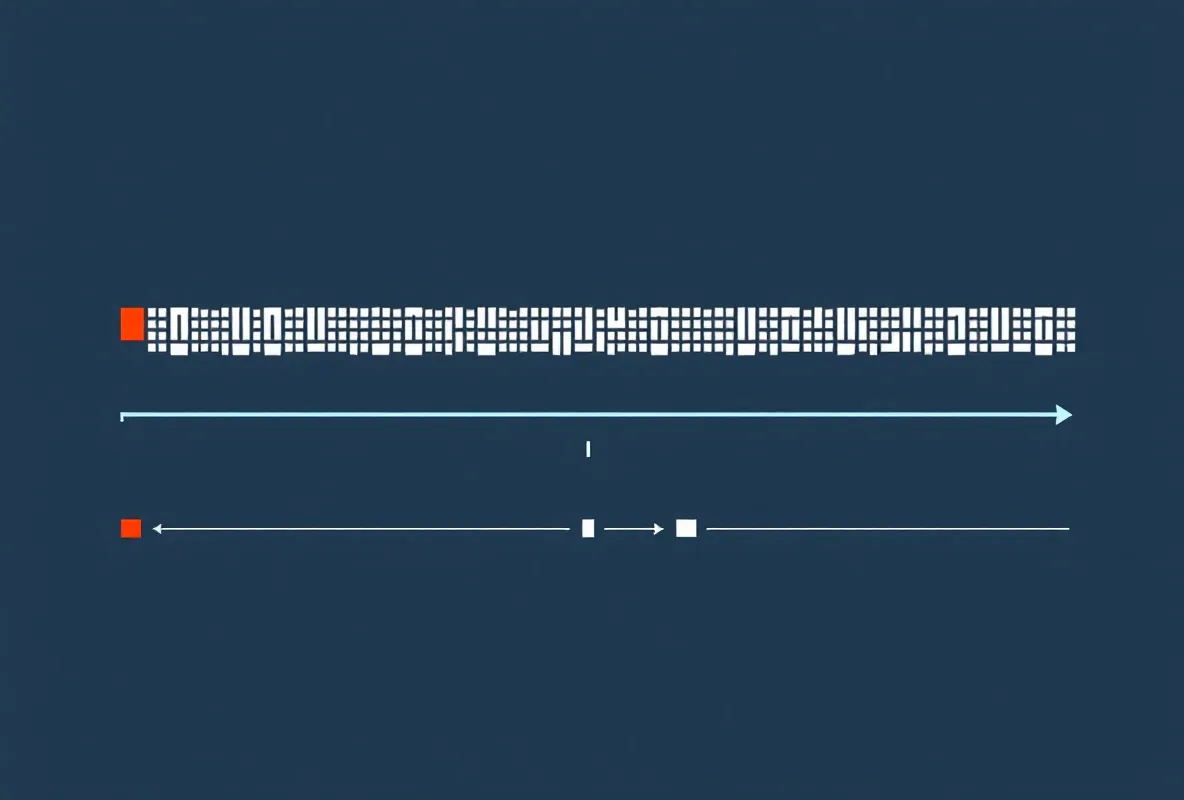
Tesamorelin copies the body’s entire natural order. Its 44-residue chain is made from amino acids, the parts that form a protein. A protective change guards one end [11]. Sermorelin takes the first 29 amino acids from that order, and this shorter part still fits the growth gland.
Both drugs call on the same gland to send out your growth hormone. Tesamorelin is longer and has the added guard, explaining some of its extra time in blood [12]. Build alone cannot show that one choice is safer or works better for you.
Why does tesamorelin last longer in blood?
An enzyme in blood destroys the body’s brief growth order within minutes [11]. A guarded end on tesamorelin slows this breakdown and gives the drug more time to act [11].
A review places tesamorelin among drugs that copy the whole order. Sermorelin belongs with those that copy a shorter part [11]. The build explains longer action, but it cannot settle relative safety or benefit. Tesamorelin leaves blood quickly, yet IGF-1 remains high across the study day; the liver produces this growth protein.
Which drug has stronger human studies?
The human study record is far broader for tesamorelin, though all this work involved HIV-related body-fat changes. It includes two Phase 3 studies, meaning large tests done before approval. Researchers also ran a liver-fat study and checked safety in adults with diabetes. A 2026 review joined five controlled studies [1][3][15]. The FDA cleared one use in 2010 [5].
Another review asked whether tesamorelin-like drugs may be easier on the body than injected growth hormone. Good late-stage work showed a drop around belly organs and a fair safety record. Other hoped-for uses had weaker support [12]. This proof still cannot tell you that tesamorelin is better than sermorelin.
What can’t this tesamorelin and sermorelin comparison tell you?
Researchers have not run a large, direct comparison of tesamorelin and sermorelin in one group. Different builds can’t tell you which drug would work better. The strongest tesamorelin proof concerns adults with HIV-related body-fat changes [1][2]. Claims about weight loss, anti-aging use, or sports use go beyond that work and stay off-label [12]. Each drug’s length and time in blood are known, but their results in one shared group are not.